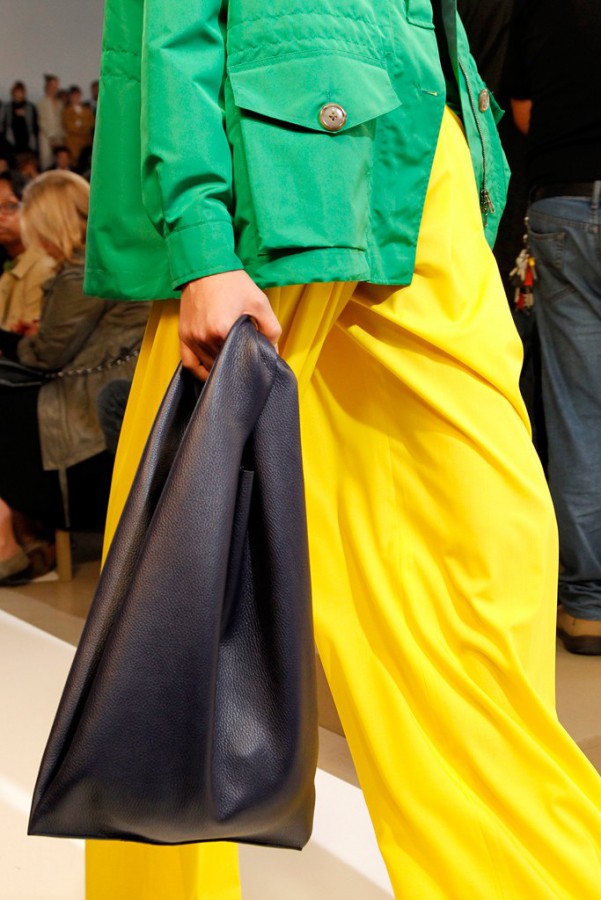
In the era of algorithms and uniformity, a new direction in design is emerging that redefines the concept of modularity not as repetition or standardization, but as a language of meaning. Modular design turns into a rich system of iconic components – elements that speak for themselves, change their appearance and embody the individual vision of the wearer.

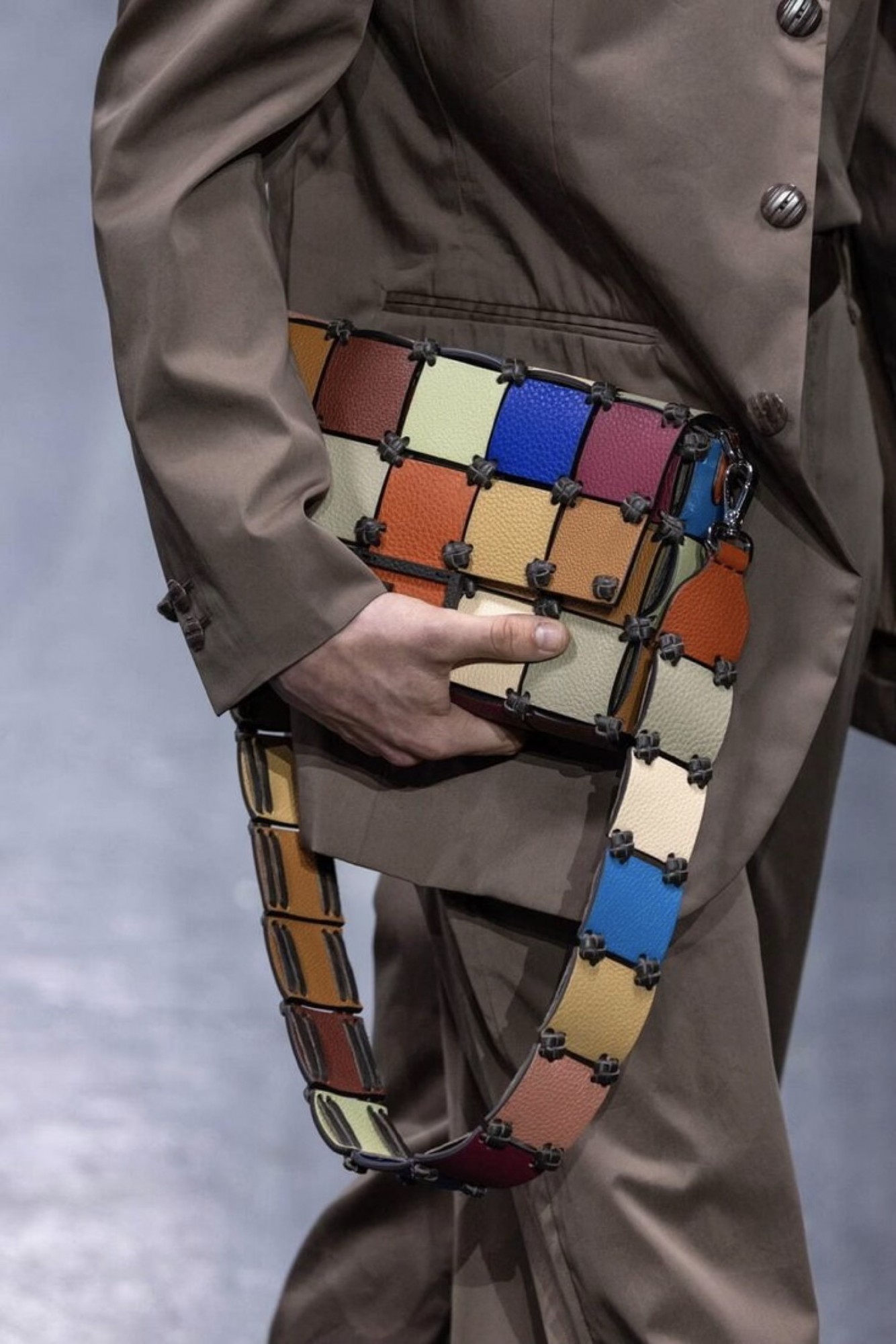
Modular fashion challenges fast fashion by emphasizing durability and adaptability: elements can connect, overlap, or transform, allowing you to create multiple images from a small number of components. This allows customers to choose and combine products that reflect their values, feelings, and life experiences. From details with zippers to interlacing panels, modular fashion invites its owners to become collaborators, harmoniously combining aesthetics with innovation.
From a design point of view, this approach requires fundamentally new thinking. The components of the product must be designed in such a way as to ensure durability and emotional resonance, and made of materials with both symbolic and tactile value.
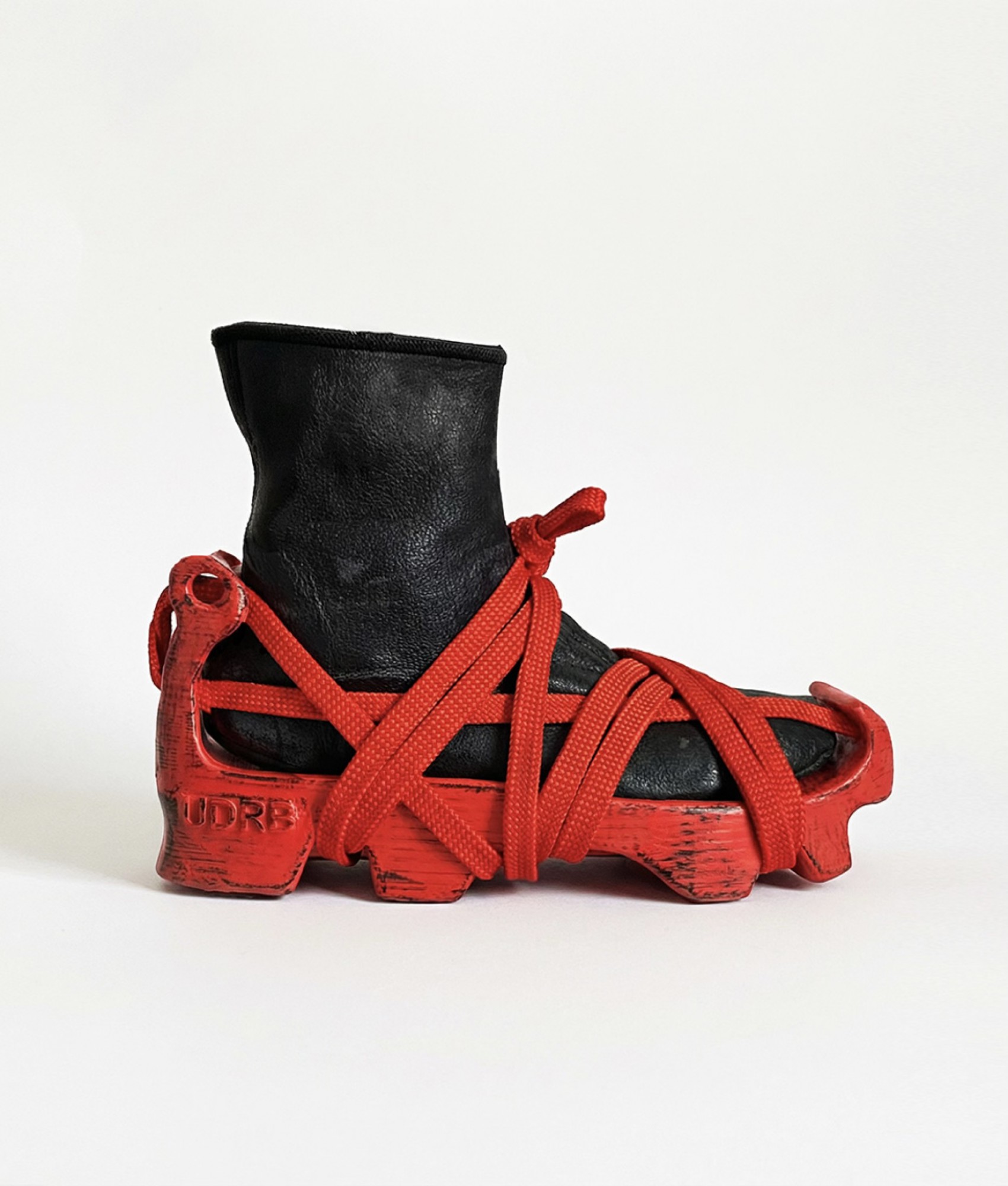
A striking example of this approach is the UDRB project by Kazakhstani designer Daniyar Uderbekov. It is made in a collapsible design concept, where each component fulfills its function and can be easily replaced, repaired or recycled. The project organically combines advanced additive manufacturing technologies with the centuries-old craft traditions of Central Asia, offering an eco-friendly and culturally meaningful product at the junction of tradition and innovation.

Another interesting example is the AW26 collection by designer Marie Adam?Leenaerdt. It presents skirts made of fabric with a printed apron pattern: you can cut out the elements and sew them at your discretion. Thus, the buyer becomes a full-fledged participant in the creative process, and the thing itself transforms from the final product into a flexible module open to interpretation.


The future of modular design lies in co–creation. When a designer and his clients become participants in a common narrative, each product becomes a word, and each composition becomes a story.